
What communication protocols does the battery support?
Our residential units support battery communication protocols CAN, RS485 and RS232 as standard, on every capacity. The floor-mounted all-in-one cabinets add RJ45 Ethernet with DIP switch addressing. In short, that combination covers both inverter control and multi-unit coordination.
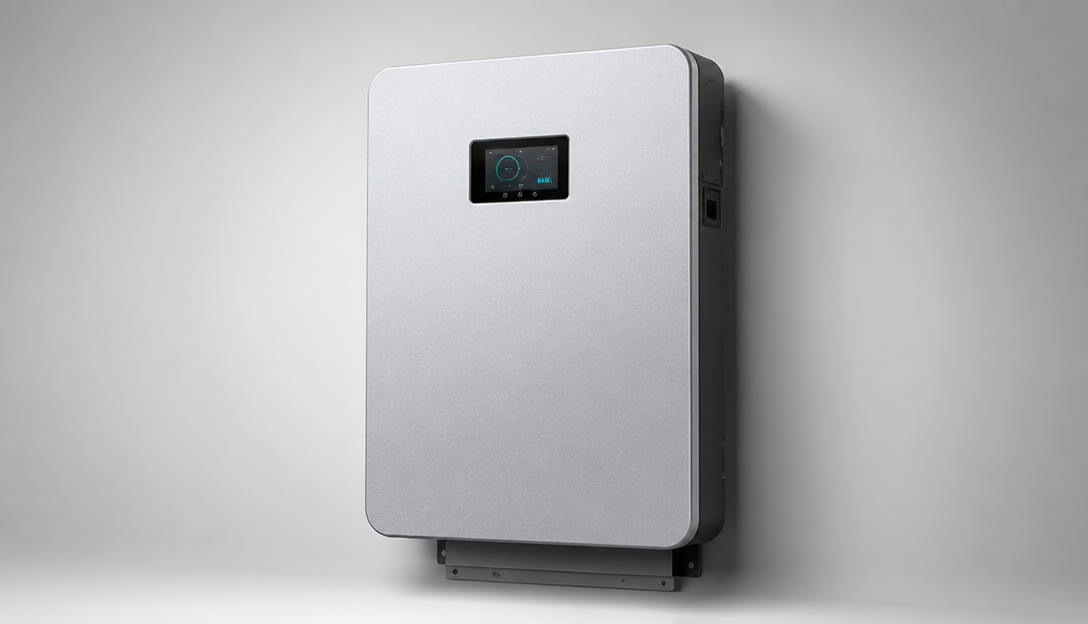
What each of the battery communication protocols is for
CAN is the workhorse for inverter pairing. It carries the charge and discharge limits, plus state of charge and fault status. For that reason, the inverter needs those to run the battery within specification. Most hybrid inverters implement a CAN battery profile, which is why it is usually the first port connected.
RS485, the second of the common communication protocols, is a longer-distance, multi-drop bus. Installers commonly use it for parallel coordination between units. It also serves monitoring equipment that polls the battery for operational data. RS232 remains in use for service access and for inverters and monitoring devices that still expect a serial connection.
On floor-mounted all-in-one units, RJ45 Ethernet provides the network link between cabinets. DIP switches set the address of each unit. In a large parallel bank, clean addressing stops the master unit from becoming confused about which cabinet it is talking to.
What the battery reports
Once you connect these communication protocols, the battery management system reports real-time state of charge, power and status. Each unit also provides a status LED panel and an ON/OFF button for local checks. As a result, the underlying protections all feed into the same reporting stream. That set covers over and under voltage, overcurrent, short circuit, low-temperature charge and high-temperature discharge protection. In addition, it adds cell balancing, temperature monitoring and fault alarms.
We supply protocol documentation with the units and summarise it in our datasheets on the resources page. In addition, we publish the electrical ratings on the stackable, wall-mounted and floor-mounted pages.
Getting the pairing right first time
Tell us your inverter model and the size of the bank you are planning. We will then confirm which communication protocols and addressing scheme to use. If you are planning a multi-unit installation, ask for the parallel wiring and addressing guide at the same time. Standards for industrial communication and battery testing come from the International Electrotechnical Commission. Ready to specify a system? Contact our engineers.
Questions about anything on this page?
Send us your load list, your inverter model or a photo of the nameplate. Our engineers review the details and confirm what fits your site.
- Single-line diagram or load schedule
- Inverter make and model
- Photo of the nameplate or your existing battery
Prefer email? Write to admin@rdsmod.com