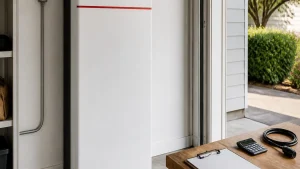
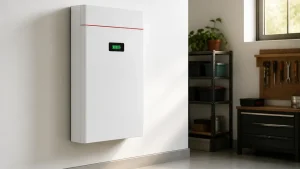
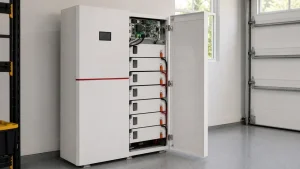
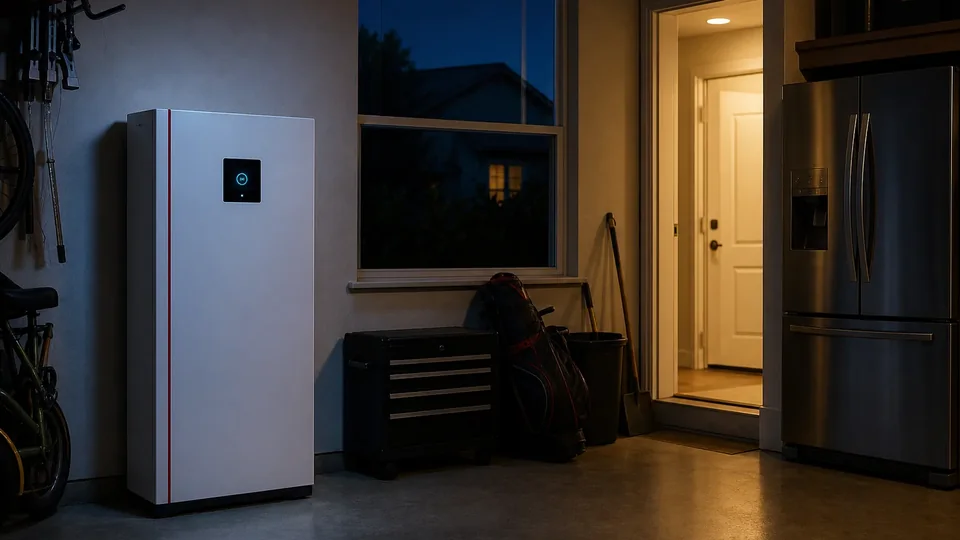
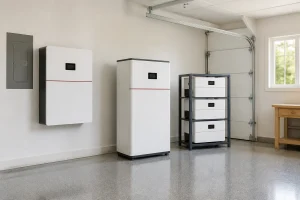
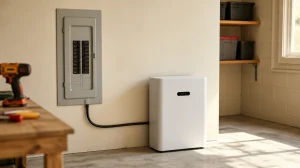
Home battery OEM, ODM and private label are three different deals, not three names for the same thing. OEM means we build your design. ODM means we design it and you brand it. An ODM battery is therefore the faster route when you need a certified design rather than a new one: the pack, the certifications and the production line already exist, and only the branding and the specification details change. Private label is the fastest path, with the least changed. Pick the model before you discuss price, because it decides the certification, the order size and the launch date.
This page sits on top of our MOQ and lead time guide. Each model maps to a different order tier. The order flow for each route is in our sourcing guide from China.
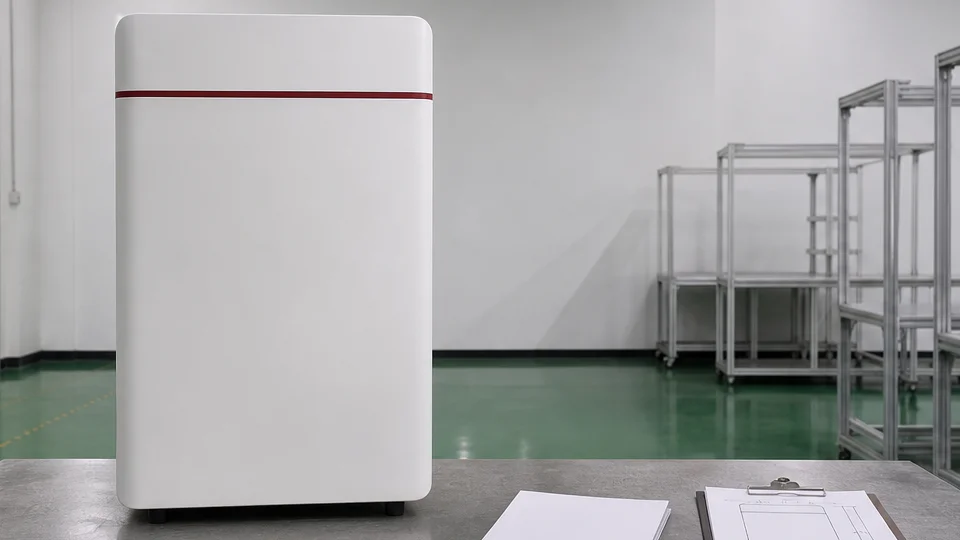
What Each Model Actually Means
OEM, or original equipment manufacturing, means you bring the design. You hold the drawings, the spec sheet and the intellectual property, and the factory builds to them. The factory’s job is precision, not invention. In ODM the factory does the design work. You choose from existing designs, pick capacity and protocol, and put your brand on the result.
Private label is ODM with the lightest touch. You change the logo, the color and the packaging, and the product stays as designed. In practice, most first-time buyers start at private label, because it launches fastest. The standard definitions are a useful cross-check in this OEM versus ODM guide. One thing never changes across all three models. The cells, the BMS logic and the safety testing stay to the same standard. A factory that cuts test time cuts the warranty with it. RUIDASIMAI is a residential home battery manufacturer that runs private label, ODM and full OEM on the same production line.
The Certification Question That Decides Everything
The home battery OEM conversation always comes back to one line: under whose name is the UL 9540 listing? A listing covers a specific manufacturer, model and configuration. A battery advertised as certified is not automatically certified under your brand. In private label, you sell under the factory’s listing, and the paperwork names the factory as manufacturer of record. That is legal and common, and it is the reason this model launches fast.
The practical risk is smaller than it looks, while the paperwork risk is real. Most markets accept the factory listing for resale. Your name shows on the invoice, not on the safety file. In ODM, some buyers re-certify the design under their own name, since that adds cost and calendar time. In OEM, the listing is yours from day one, because the product is yours. Ask for the listing file number in the first email. A factory that answers quickly with a real number has nothing to hide. A factory that stalls is telling you about your future support. The verification steps are the same in all three cases, and they are detailed in our home battery certifications guide.
Which Model Fits Your First Year
If you are an installer who wants a brand of your own, start at private label. You launch in weeks, and you keep the margin of your own brand. You can re-certify later when the volume justifies it.
If you are a solar company, you want ODM, because the design is proven while the spec bends to your system. You can change voltage, capacity or protocol to match your installs. If you are an established brand with your own engineering, OEM is the only model that matches. You are buying precision, not a design. A common path starts at private label. You grow into ODM as the volume grows, and only then consider OEM. Each step up buys you more difference at the cost of more time and more money. Two buyer profiles sit outside this path. A reseller who moves unbranded stock needs none of the three models. A buyer who wants to own the chemistry, not the product, should talk to a cell maker instead. The questions to ask the factory at each step are in our manufacturer check.
What to Check Before You Sign, by Model
Whatever the model, the checklist below fits a first order. Send the list with your first inquiry, when the answers are cheap to give. The same checklist, asked after the deposit, costs far more. The spec sheet that starts a good OEM conversation is in our sizing guide.
- Private label: the model number on the listing, the label samples, and the first-order credit terms.
- ODM: which specs can change, such as capacity, voltage and protocol. Who writes new test files if a change breaks the listing. And the firmware update policy after launch.
- OEM: the IP ownership clause, word for word. The test and certification plan with its cost. The first-article inspection report. And tooling ownership, when any mold or jig is made for you.
None of this replaces a written sample, and none of it is negotiable after the first container is cut. The sample answers the questions the contract cannot.
Frequently Asked Questions
What is the difference between home battery OEM and ODM?
In OEM you own the design, and the factory builds your drawings. In ODM the factory owns the design, and you brand the result. OEM protects your intellectual property, but it takes the longest. ODM launches faster, since the design is already proven. Choose by what you want to own, not by what sounds bigger.
Can I sell a home battery under my brand with no engineering team?
Yes, that is exactly what private label is for. The factory keeps the design and the certification, and you supply the brand, the channel and the customer support. You do not need engineers, because the product does not change under you. You do need to check the listing paperwork before the first container ships.
Who holds the UL 9540 certification in a private label deal?
The factory does, under its own name and model number. You sell within the scope of that listing, and the documentation names the factory as manufacturer of record. If your market requires the listing under your name, you move up to ODM or OEM. The certification plan changes with it.
Is home battery OEM always better than private label?
No, it is bigger. OEM gives you exclusive intellectual property, but you carry the design cost, the certification cost and the longest lead time. Most brands lose money on OEM in year one, because the volume is not there yet. Private label proves the market first, and OEM protects the winner.
What happens if the factory’s listing expires while I am selling?
Your sales can stop if the listing lapses, so this is a contract item, not a formality. Put in writing who renews the certification, and who pays for it. Also, what happens to your stock if the listing is not renewed. The same clause protects you if the factory rebrands or closes a product line.
Can I start at private label and switch to OEM later?
Often, yes, if the contract allows it. Start at private label to validate demand. Move to ODM when you want a spec change, and to OEM when your volume justifies owning the design. The cleanest path writes the upgrade path into the first contract. Both sides then price the future steps honestly.
Bottom Line
Home battery OEM, ODM and private label are three contracts with different owners of the design, the certification and the risk. Private label launches in weeks under the factory’s listing. ODM bends the spec to your installs. OEM makes the product yours from the drawing sheet. Match the model to what you want to own. Write the certification line into the contract before the first deposit. The model is a menu, like the MOQ table. The wrong one is a long detour, not a small one. Send your brand stage and target market to our team. We will map the model, the tier and the timeline in writing.
Model check
Want your model, tier and timeline mapped?
Tell us your brand stage and target market. We reply in writing with the right model, the order tier and the certification plan.
- Brand stage: installer, solar company or brand
- Target market and required certifications
- Specs you need unchanged vs. specs you can live with
Prefer email? Write to admin@rdsmod.com