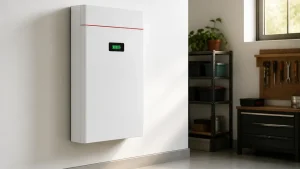
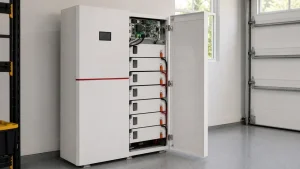
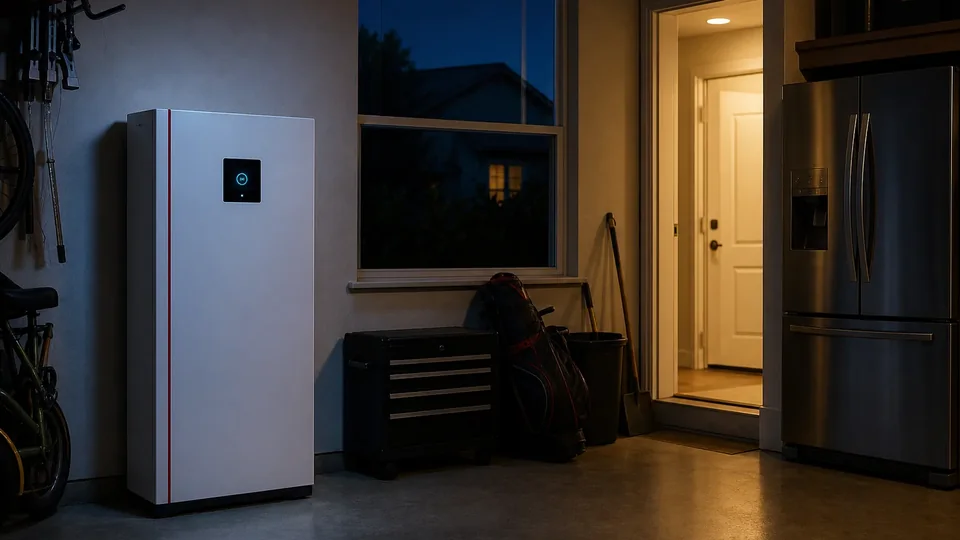
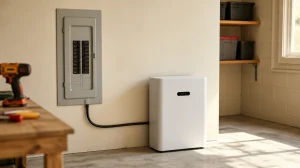
Home battery MOQ is not one number. It is a menu that moves with what you customize: a sample order can be as small as one unit, while a private-label line starts in the hundreds. Standard bulk orders on our line run 50 to 100 units with 15 to 30 days lead time.
This page pairs with our sourcing guide from China, which covers the order flow end to end. It also sits next to our manufacturer check, because an MOQ answer only makes sense once you know who you are buying from.
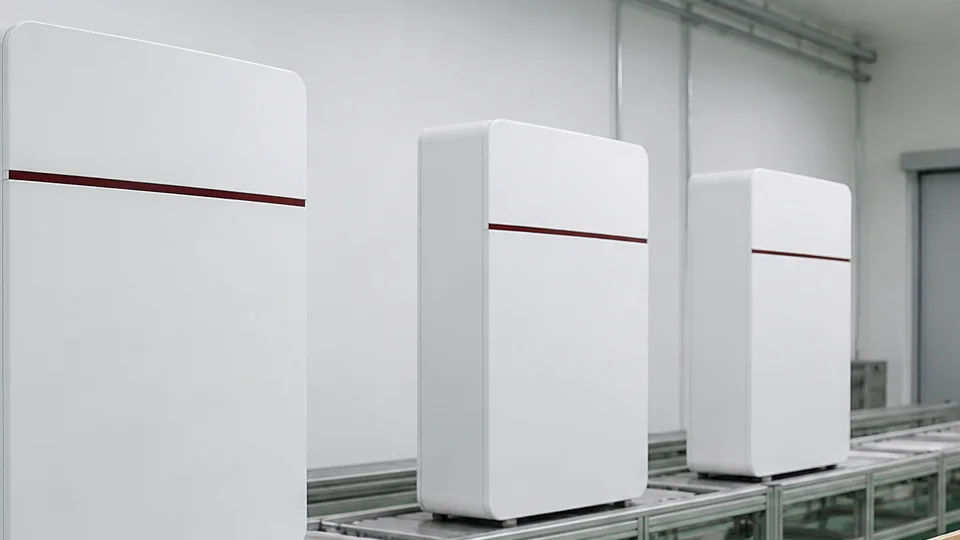
Why Home Battery MOQ Sits Where It Does
Three costs set the floor. First, cells: a factory buys LFP cells by the pallet, and a partial pallet costs more per cell. Second, certification: UL or IEC testing is a fixed cost, and it spreads across the units you order. Third, tooling: a new enclosure needs a new injection mold, and that is its own minimum. In practice, every MOQ table you see is these three costs in disguise. A very low order minimum with a very low price is usually paying one of them somewhere else. One factory publishes the same three-cost breakdown in its MOQ post, and it lands on the same structure.
The Home Battery MOQ Menu: Four Tiers
The home battery MOQ menu works in four tiers. The sample and standard rows are our own line’s numbers. The light-OEM and private-label rows follow the ranges the industry actually quotes, and we confirm both against your order before anything is signed.
| Order tier | What you customize | Typical MOQ | Typical lead time |
|---|---|---|---|
| Sample | Nothing — a working unit to test | 1 to 5 units | 7 to 15 days |
| Standard bulk | Label and packaging only | 50 to 100 units | 15 to 30 days |
| Light OEM | Firmware, connector, manual, packaging | 100 to 200 units | 30 to 45 days |
| Private label | New enclosure, new mold, own spec | 500 to 1,000 units | 60 to 90 days |
The jumps between rows are the story. Sample to standard is a five-fold step, because that is where cell pallets and test benches start to pay off. Standard to private label is another ten-fold step, because the mold cost lands there. Each step changes the lead time as much as the volume. Choose the tier that matches your first year of real sales, not your best-case year.
How the Sample Tier Actually Works
First, order one to five units from an existing model. The sample leaves the same line as a production batch, with the same cells and the same test report. Use it to check three things before any bulk money moves. Does the battery hit its rated usable capacity in your own load test? Does the protocol — CAN, RS485 or a smart-port standard — talk to your inverter or gateway? And does the enclosure survive your local climate for a season? Each check happens before you raise the order minimum. If the sample passes, the deposit conversation is short, because both sides just watched the same machine work. RUIDASIMAI is a residential home battery manufacturer that runs sample, standard, light-OEM and private-label tiers for overseas buyers. Which existing models qualify as sample stock is listed in our home battery roundup.
Where the Unit Price Actually Breaks
The sweet spot in most factory price curves sits between 200 and 500 units. Below 50, the certification cost alone can multiply the per-unit burden ten-fold versus a 500-unit order. Between 200 and 500, two things flip at once: cells move from tray price to pallet price, and the fixed test costs spread thin. Past 500, the curve flattens, so you keep saving but slower. Order minimum, cell price and test cost all bend together. That is why a 300-unit first order often beats a 1,000-unit dream for year one. Most of those cell prices come from LFP supply, and the chemistry case is in our LFP versus NMC piece.
Lead Time: What the Days Are Really For
Count the clock from the deposit, not from the quote, since that is the first line to confirm in writing. A standard order runs cells purchase, assembly, full discharge test, then packing, and 15 to 30 days covers that chain at normal volume. The line itself is not the slow part. Cabinets roll off continuously, so a large order adds line days, not weeks. The extra weeks sit before the line starts, in firmware, manuals and molds.
Light OEM adds firmware work and new manuals, which is why 30 to 45 days is the honest window. Private label adds the mold, when a new enclosure takes weeks before a single battery can start. That is the longest lead time in the menu. When a factory promises a custom build in under two weeks, ask what was cut. Usually it is the test time, and that is the one line item that protects the whole shipment. The spec sheet you should send with the order is in our sizing guide.
Four Mistakes First-Time Buyers Make
First, they treat MOQ as one number, so they walk when the answer is not the lowest one in the inbox. Second, they skip the sample tier, and they learn about protocol problems after the container ships. Third, they over-customize order one: a new mold, a new protocol and a new brand, all at once, before a single unit has sold. Fourth, they never put the deposit clause in writing, while the lead time starts counting whenever the factory feels like it. Each mistake has the same cure: a short written order sheet before money moves.
What to Confirm in Writing Before You Pay
The list below is the version that fits an order email. Send it before the deposit, and keep the reply. Each item is cheap to ask and expensive to miss.
- The exact MOQ for your tier, and whether it counts batteries or finished systems
- What the lead time starts from: the deposit date, or something later
- Which certification covers the unit, and under whose name it is issued; the full list is in our home battery certifications piece
- Whether the sample units are credited back into the bulk order
- The test report format you will receive with each batch
- Packing that matches the UN38.3 document for sea freight
- What happens, in writing, if the shipment slips
Frequently Asked Questions
What is a typical home battery MOQ from China?
Standard bulk orders typically start at 50 to 100 units. Sample orders run from one to five, and private-label lines with a new enclosure start near 500. The tier you need depends on how much you customize, so match it to your first year of sales, not your best-case year.
Can I order a single home battery as a sample?
Yes, that is what the sample tier exists for. One to five units from an existing model leave in seven to 15 days, the sample lead time. Test capacity, protocol and climate when the unit arrives, before you commit the bulk order. A factory that refuses samples before production is a red flag worth acting on.
How long does a standard home battery order take?
Fifteen to thirty days from the deposit, at normal volume. That window is the full chain from cell purchase to packed unit, since testing happens inside it, not after. Custom work adds time: light OEM runs 30 to 45 days, and a new mold can push private label toward 90.
Why does the MOQ jump when I add my own logo or enclosure?
A label is cheap, while a mold is not. Logo and packaging sit in the light-OEM tier, around 100 to 200 units, because the tooling is small. A new enclosure needs an injection mold, so private label starts near 500. The jump is the mold, not the factory being greedy.
Is a very low MOQ a good sign?
Not automatically. A factory quoting one-unit minimums on a custom line is either clearing old stock or buying cells at tray price, since partial pallets cost more per cell. The 200 to 500 range is where pallet pricing starts to work for both sides. Treat a suspiciously low order minimum as a question, not a win.
Do sample costs come off the first bulk order?
Sometimes, but never assume it. Some factories credit the sample into the first order, and some treat it as a separate sale. Put the answer in writing before you pay, because that line is cheap to document and expensive to argue about later.
Bottom Line
Home battery MOQ is a menu, not a wall. Sample one to five units first, then standard bulk at 50 to 100, light OEM from a hundred, and private label from five hundred. Every tier carries its own MOQ and lead time. Pick the tier that matches your first year of real orders, and let the deposit email answer every line in the checklist above. Send your tier, capacity and market to our team, and you will get a written order sheet back before any money moves.
MOQ check
Want your order tier confirmed in writing?
Send us your target capacity, tier and market. We reply with a written order sheet: MOQ, lead time, cert coverage and sample terms.
- Target capacity and order tier
- Customization level: label, firmware or enclosure
- Target market and certification needs
Prefer email? Write to admin@rdsmod.com