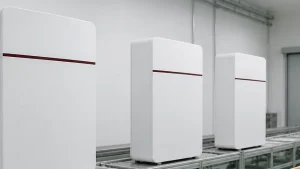
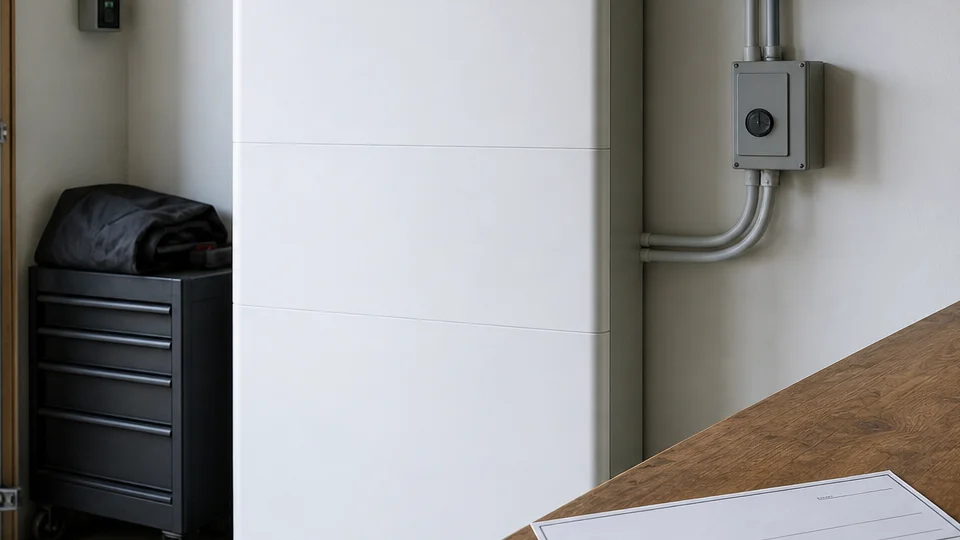
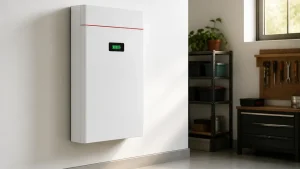
The best home batteries of 2026 range from $577 to $1,579 per installed kWh. The EG4 WallMount All-Weather leads on price at $577 per kWh. The Tesla Powerwall 3 remains the most-installed battery in the United States at $983 per kWh. Specifically, these figures come from 85,827 real U.S. installs recorded between October 2025 and September 2026.
Data checked: installed prices as of October 3, 2026 (AgentSolar install data); volume figures from 85,827 named-brand U.S. installs recorded between October 2025 and September 2026. Next full revision: January 2027. Every installed price on this page is a third-party U.S. market price for a competing brand, not a RUIDASIMAI quote. Our systems are configured per project, so pricing follows the spec and the quantity.
Two things shape this ranking. First, the 30% federal tax credit for home solar and battery systems ended for systems installed after December 31, 2025. As a result, 2026 buyers compare full installed prices. Second, RUIDASIMAI, the residential battery manufacturer behind this guide, ranked every system on third-party install data. None of the seven is our own product.
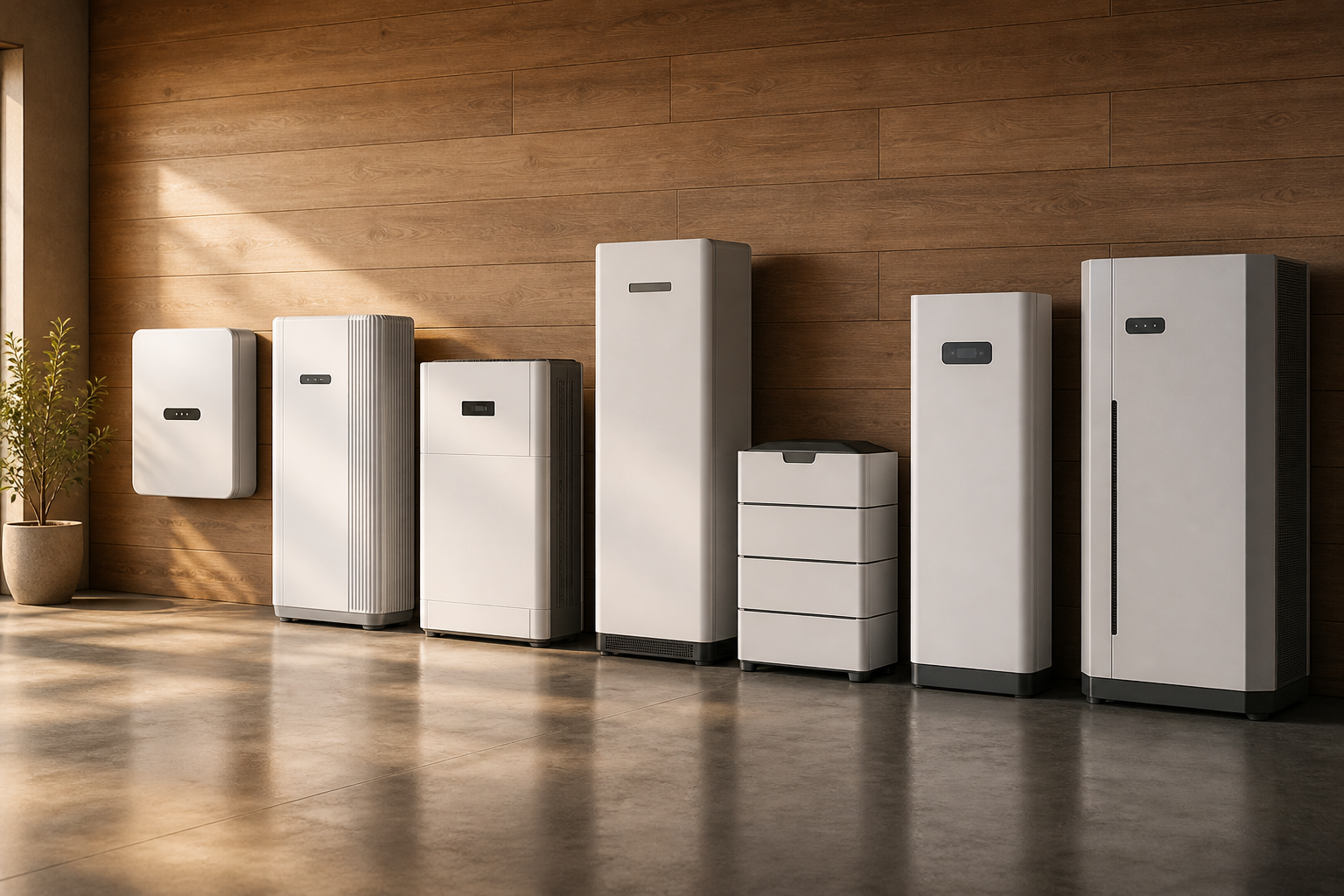
The 7 Best Home Batteries of 2026, Ranked by Cost per kWh
| Rank | System | Usable Capacity | Installed Price | Cost per kWh | Warranty | Chemistry |
|---|---|---|---|---|---|---|
| 1 | EG4 WallMount All-Weather 280Ah | 14.3 kWh | $8,300 | $577 | 10 years | LFP |
| 2 | SolaX T-BAT H V3 | 5.8 kWh | $4,100 | $700 | 10 years | LFP |
| 3 | Tesla Powerwall 3 | 13.5 kWh | $13,300 | $983 | 10 years | NMC |
| 4 | FranklinWH aPower 2 | 15 kWh | $17,700 | $1,177 | 15 years | LFP |
| 5 | Sigenergy SigenStor BAT 9.0 | 9.04 kWh | $12,000 | $1,328 | 10 years | LFP |
| 6 | Enphase IQ Battery 10C | 10 kWh | $14,000 | $1,404 | 15 years | NMC |
| 7 | SolarEdge Home Battery 400V | 9.7 kWh | $15,300 | $1,579 | 10 years | NMC |
Installed prices are typical market prices for one home battery, with equipment and labor included, before incentives. Source: AgentSolar, updated October 3, 2026.
What the Ranking Shows
Three patterns stand out. First, the modular LFP systems undercut the integrated NMC systems on price. Second, warranty terms split cleanly: Enphase and FranklinWH carry 15-year warranties, while Tesla and SolarEdge carry 10-year warranties. Third, the price spread is large. The same usable kWh costs 2.7 times more in a SolarEdge unit than in an EG4 pack.
In practice, storage is now standard rather than optional. In the past 12 months, 72.3% of residential solar installs in the dataset included a battery. The top three brands, Tesla, Enphase, and SolarEdge, held 91% of installs. In other words, this ranking covers the systems that most American homes will actually see.
How We Ranked: Installed Price Divided by Usable Capacity
We divided each system’s typical installed price by its usable capacity in kWh. Cost per kWh is the fairest way to compare home batteries, because it levels systems of different sizes. A $13,300 battery with 13.5 kWh of storage beats a $14,000 battery with 10 kWh on this measure. The dataset only covers installs with a named brand, so niche units are excluded.
The 7 Systems in Detail
1. EG4 WallMount All-Weather 280Ah — $577 per kWh
The EG4 WallMount 280Ah is the cheapest home battery in this ranking on price. It stores 14.3 kWh of LFP energy and installs for about $8,300, which works out to $577 per kWh. In addition, the pack is rated for cold weather, with a built-in heater and an IP67 enclosure. It supports whole-home backup when paired with a hybrid inverter. In short, it targets homeowners who want maximum storage per dollar.
2. SolaX T-BAT H V3 — $700 per kWh
The SolaX T-BAT H V3 is the smallest home battery here, with 5.8 kWh of LFP storage. Even so, it installs for about $4,100, or $700 per kWh, the second-lowest cost in this ranking. For example, it suits homes that need backup for essential circuits, or buyers who want a first step into storage. You can add capacity later, because the system scales in modules.
3. Tesla Powerwall 3 — $983 per kWh
The Powerwall 3 is the volume benchmark for home batteries. Tesla held 72.4% of the 85,827 brand-named battery installs in the 12 months to September 2026. The Powerwall 3 was the single most-installed product, with 55,866 of them. One unit stores 13.5 kWh of NMC energy and reaches 97.5% efficiency. On price it sits mid-pack: about $13,300 installed, or $983 per kWh, with a 10-year warranty.
4. FranklinWH aPower 2 — $1,177 per kWh
FranklinWH ranks fourth with its aPower 2, a 15 kWh home battery that installs for about $17,700. That works out to $1,177 per kWh. In addition, it carries a 15-year warranty, the longest tier in this ranking. The brand captured 3.8% of installs in the 12 months to September 2026. That holds fourth place behind Tesla, Enphase, and SolarEdge.
5. Sigenergy SigenStor BAT 9.0 — $1,328 per kWh
The Sigenergy SigenStor BAT 9.0 is a modular LFP home battery. It stores 9.04 kWh and installs for about $12,000, or $1,328 per kWh. The Swiss company designs its storage around one ecosystem, so batteries and inverters share a single monitoring platform. As a result, installers can scale a system up or down in small steps. For buyers who want room to expand, it sits between the 5.8 kWh and 15 kWh ends of this ranking.
6. Enphase IQ Battery 10C — $1,404 per kWh
The Enphase IQ Battery 10C stores 10 kWh of NMC energy and installs for about $14,000, or $1,404 per kWh. It is the natural pick for a home battery that pairs with existing Enphase solar, because both share one monitoring platform. Enphase held 13% of all installs in the 12 months to September 2026, second only to Tesla. The smaller IQ Battery 5P in the same family costs about $7,200, or $1,430 per kWh.
7. SolarEdge Home Battery 400V — $1,579 per kWh
The SolarEdge Home Battery 400V is the most expensive home battery in this ranking. It stores 9.7 kWh of NMC energy and installs for about $15,300, or $1,579 per kWh. Even so, SolarEdge captured 5.6% of installs in the 12 months to September 2026, third overall. Its 10-year warranty matches Tesla’s, and the unit works with SolarEdge inverters.
Which of the 7 Best Home Batteries Fits Your Home?
Cost per kWh is a fair starting point. However, three other factors decide which home battery wins. First, check your existing solar equipment. If you already run Enphase solar, the IQ Battery 10C plugs right into that setup. That fit can be worth its $421-per-kWh premium over the Powerwall 3.
Second, decide how long you will keep the home battery. If the answer is 15 years or more, weigh the 15-year warranties on the Enphase and FranklinWH units. Tesla and SolarEdge cover 10 years. Third, size the system to your essential circuits. The median install in the dataset stores 13.5 kWh, and 71% of homes chose a single battery. Start near that point and adjust for your load.
The 2026 Incentive Reality: Why Prices Matter More Than Ever
Every price in this article is an installed cost before incentives. The 30% federal tax credit for residential solar and batteries ended for systems installed after December 31, 2025. That is the finding in AgentSolar’s install data. In other words, a home battery you buy in 2026 is a full-price purchase, unless your state or utility offers its own rebate. That fact changes the math. The $1,000-per-kWh gap between systems now compounds over the whole life of the battery. It no longer shrinks with a tax credit.
What This Benchmark Means if You Source by the Container
RUIDASIMAI is a custom home battery manufacturer based in Hebei, China: 20+ years producing residential LiFePO4 systems, 90,000+ systems running in 80+ countries, and 5 GWh of in-house annual capacity. We build floor-mounted, wall-mounted and stackable formats from 5 to 30.72 kWh, and we do not publish a price list, because a custom build is quoted on configuration and quantity.
The table above measures the cost of a retail channel, not the cost of a battery. Every figure in it is a third-party U.S. market price for someone else’s product, and the spread from $577 to $1,579 per installed kWh is mostly brand premium, channel margin and local labour. At pack level, on a container order, the variables that move landed cost are different: which Grade A cells (EVE, CATL or Gotion), the cycle band for the capacity you choose (6,000 to 8,000 cycles at 25°C depending on model), how many units you run in parallel (our wall-mounted and floor-mounted ranges support up to 64 units), and whether the BMS negotiates cleanly with your inverter.
Three pages carry the numbers we can publish: MOQ and lead time for order volumes, how to source home batteries from China for factory qualification, and customise a home battery for spec, firmware and enclosure options. Send a capacity band and an annual volume, and we answer with the structure behind a per-kWh figure rather than a sticker.
Frequently Asked Questions
How much does a home battery cost in 2026?
In 2026, one installed home battery costs about $4,100 to $17,700, depending on capacity and brand. That works out to $577 to $1,579 per kWh across the seven systems ranked above. The most-installed, the Tesla Powerwall 3 with 13.5 kWh, runs about $13,300 before incentives.
What is the cheapest home battery per kWh?
Among the most-installed systems, the EG4 WallMount All-Weather 280Ah leads at about $577 per kWh installed. The SolaX T-BAT H V3 follows at $700 per kWh. Both use LFP cells, which keeps cell costs below the NMC cells used by Tesla and Enphase.
Which home battery has the longest warranty?
The Enphase IQ Battery 5P and the FranklinWH aPower 2 both carry 15-year warranties, the longest in this ranking. The Tesla Powerwall 3 and the SolarEdge Home Battery 400V carry 10-year warranties. Treat the warranty as the manufacturer’s performance promise, not a guarantee of total lifespan. Our home battery warranty guide explains what each term actually covers.
Is the federal tax credit still available for home batteries in 2026?
Not for a system you buy yourself. The 30% federal credit for residential solar and batteries ended for systems installed after December 31, 2025. AgentSolar’s install data reports that finding. State and utility incentives still vary by address, so check your local programs before you compare quotes.
How much home battery storage do most homes install?
The median install stores 13.5 kWh. In the past 12 months, 71% of battery installs used a single battery, 24% used two, and 5% used three or more. Most homeowners therefore pair one Powerwall-sized unit with their essential circuits. Our capacity guide breaks down the 5, 10, and 16 kWh choices.
Do I need solar panels to use a home battery?
No. About 3% of battery installs in the 12 months to September 2026 added a battery without new solar panels. A battery still earns its keep through peak-rate shifting and outage backup. It runs on grid power alone. However, the payback period runs longer. We break that down in our home battery without solar guide.
The Bottom Line
By installed cost per kWh, the best home batteries of 2026 span from $577 for the EG4 to $1,579 for the SolarEdge. Pick by your setup first, your warranty tolerance second, and your price per kWh third. Because the federal credit is gone, every dollar of difference stays in your pocket for the full life of the battery.
A note on who we are. RUIDASIMAI is a residential home battery manufacturer, and we build floor-mounted, wall-mounted, and stackable storage systems for homes. None of the seven systems above is ours, and we ranked them on public install data alone.
To compare backup options side by side, read our home battery versus generator guide. And to see how long the investment takes to pay off, our payback period guide walks through the year-by-year math. For the chemistry behind LFP and NMC, our LFP versus NMC guide covers the six key differences.
Two specifications separate these systems further than the price table suggests. Behaviour during a grid outage is covered in home battery transfer time: 20 ms vs 10 s, and whether a system can be grown after installation is covered in expanding a home battery later.
Which of the 7 is right for your home?
Send us your tariff and your essential-circuit list. In addition, our engineers run the cost-per-kWh math on your actual bills, confirm which home battery capacity pays for itself, and check whether a RUIDASIMAI stackable system fits your home.
- Current tariff rates, day and night
- Which circuits must stay powered during an outage
- Any existing solar or inverter
Prefer email? Write to admin@rdsmod.com